The demand for financial advisors is expected to increase by around 15% in the next decade. It's clear that people continue to see the value in having a professional help them with their family finances.
However, when looking for some help, you have to consider the differences between a financial planner vs. financial advisor. Although there are areas of their work that overlap, these are two very different jobs and they shouldn't be used interchangeably.
What Does a Financial Planner Do?
Let's start with the financial planner. According to the Certified Financial Planner Board of Standards (CFP), financial planning is "the process of determining whether and how an individual can meet life goals through the proper management of financial resources."
A financial planner works like your regular doctor. They take care of your overall financial health and help make sure you're sticking to your budget and working to get or keep yourself out of debt.
When you sit down with one of our family financial planners, we'll look at where you are right now and where you will be in a few years. We help you figure out exactly how much you should be spending and saving for the future.
We are often the first person a family has had analyze their current insurance objectively. Planners provide an insurance review without trying to sell insurance. We plan around the economic facts and your situation, coordinating this advice with your agent or recommending high-quality, low-cost options.
The role of a financial planner is to help your family create a plan for spending and saving money that focuses not just on short-term wants, but long-term needs and goals.
What Does a Financial Advisor Do?
Also known as an investment advisor, these jobs are regulated by the U.S. government. According to the Investment Advisors Act of 1940, people who receive compensation in return for giving investment advice must register with the SEC and conform to regulations designed to protect investors.
Following the doctor metaphor, a financial advisor would be a specialist. Like a cardiologist, an investment advisor only focuses on investments. A financial advisor studies stocks, bonds, and other securities to help your family grow your worth over time.
The goal is to identify which investments will help your family get the best return for your risk tolerance. It's important to note that a financial advisor's predictions are not guaranteed. Many are not even trained in securities analysis.
That being said, many people prefer to work with a planner. Starting with a financial planner is best if you don't have the time to invest in doing research on investments or don't have these investments integrated with a financial plan.
Skipping a discussion on the overall financial plan, advisors often jump directly into investments and may create a portfolio that is "suitable" but not optimal.
Our investment managers are different. They help you manage your investments and ensure that you're making wise choices with your money. These choices should be grounded by your customized plan that's only focused on your needs and success.
We're here to help you every step of the way and give specific advice about what you should do to grow your money through investing. As a CFA Charterholder, Todd Sensing completed one of the most rigorous financial educations in the world.
Other Differences Between Financial Advisors vs. Financial Planners
One of the other major differences between these two roles is in how they are paid. Most of the time, a financial planner is paid for the service they provide, regardless of the outcome. Sometimes, you will pay your family planner by the hour, and if you keep yours around for a longer time, you may end up paying them on a monthly or yearly retainer.
Financial advisors, on the other hand, are most often paid a percentage of your investment. So, the more you invest, the more they get paid. This can be a good or bad thing, depending on the advisor you're working with.
A trustworthy financial advisor will never expect you to invest more than you can. However, if you find yourself with someone you can't trust, you may be pressured into making larger investments than you planned so they can earn a larger commission.
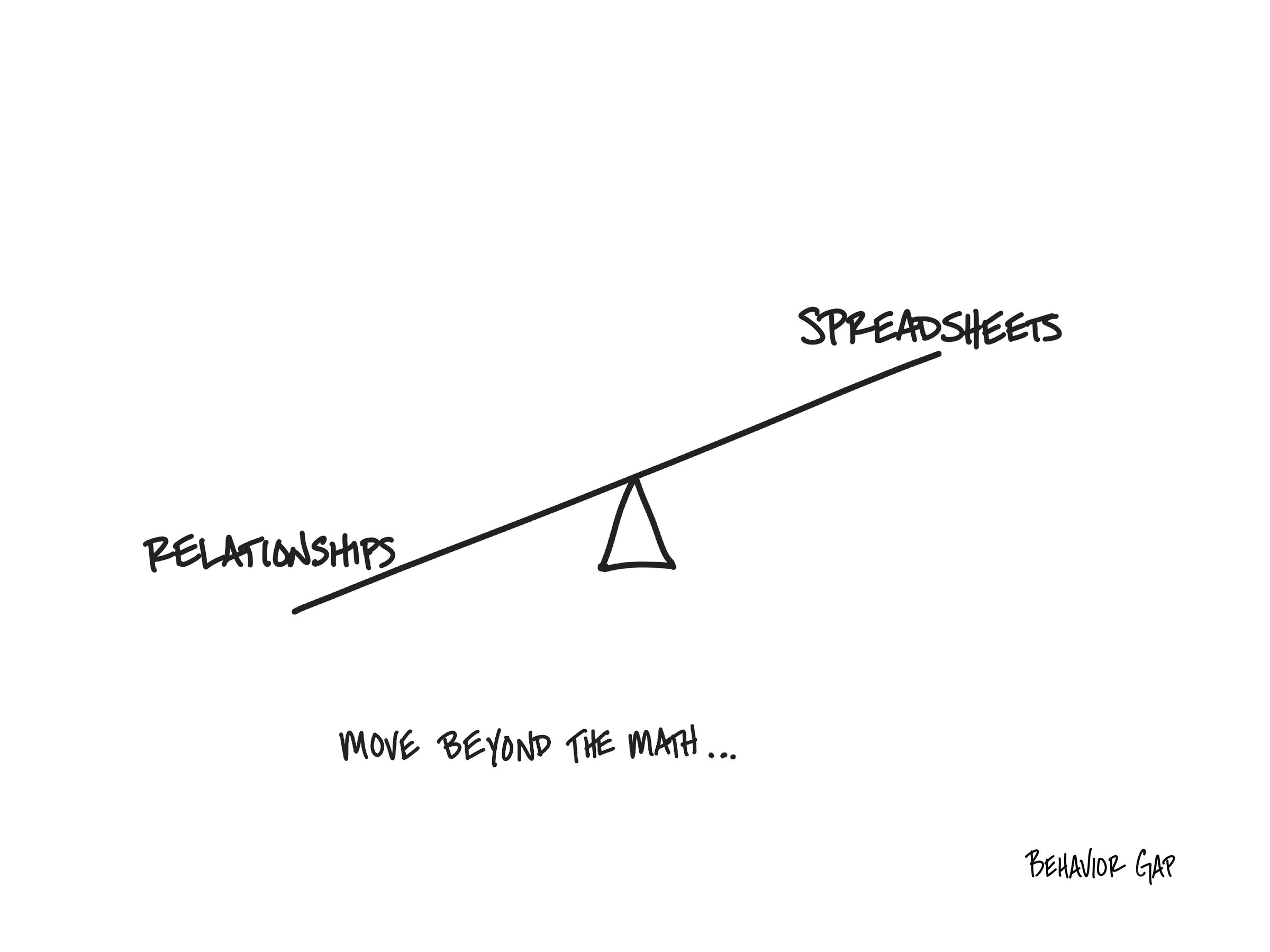
Another way to look at these two roles is that a financial planner looks at the "big picture" of your finances. They take all of your income and expenses into consideration as they help you move towards a more financially secure future.
Financial advisors just look at a small part of the picture, the money that you want to invest. Without the comprehensive view of your needs, an advisor may cause more harm than good.
The bar for a financial advisor is much lower. Calling oneself an advisor is as simple as passing a basic competency exam. Often, these "advisors" are salespeople, promoting products based on commission.
Similarities Between Financial Planners vs. Financial Advisors
The most obvious similarity between financial planners and investment advisors is that they both provide help with your finances. They do it in different ways, but their goal should be the same: help you grow financially.
Another similarity is that there are many different types of financial planners and advisors. A business financial planner would have a very different job than that of a family financial planner, for example.
These specialties benefit you since you can find someone that will meet your needs. FamilyVest, for example, specializes in family financial planning for families and those with special needs children.
Financial Planner vs Financial Advisor: Who is Best?
In many cases, a financial planner will be the best choice for families. They have the experience necessary to look at your situation as a whole and help you get where you want to be.
While there are some good financial advisors out there, there are also many others that are only looking out for their own best interests. We believe that a financial planner is best, no matter what your situation. We find those who take a fiduciary oath are often more dedicated to their long-term reputation.