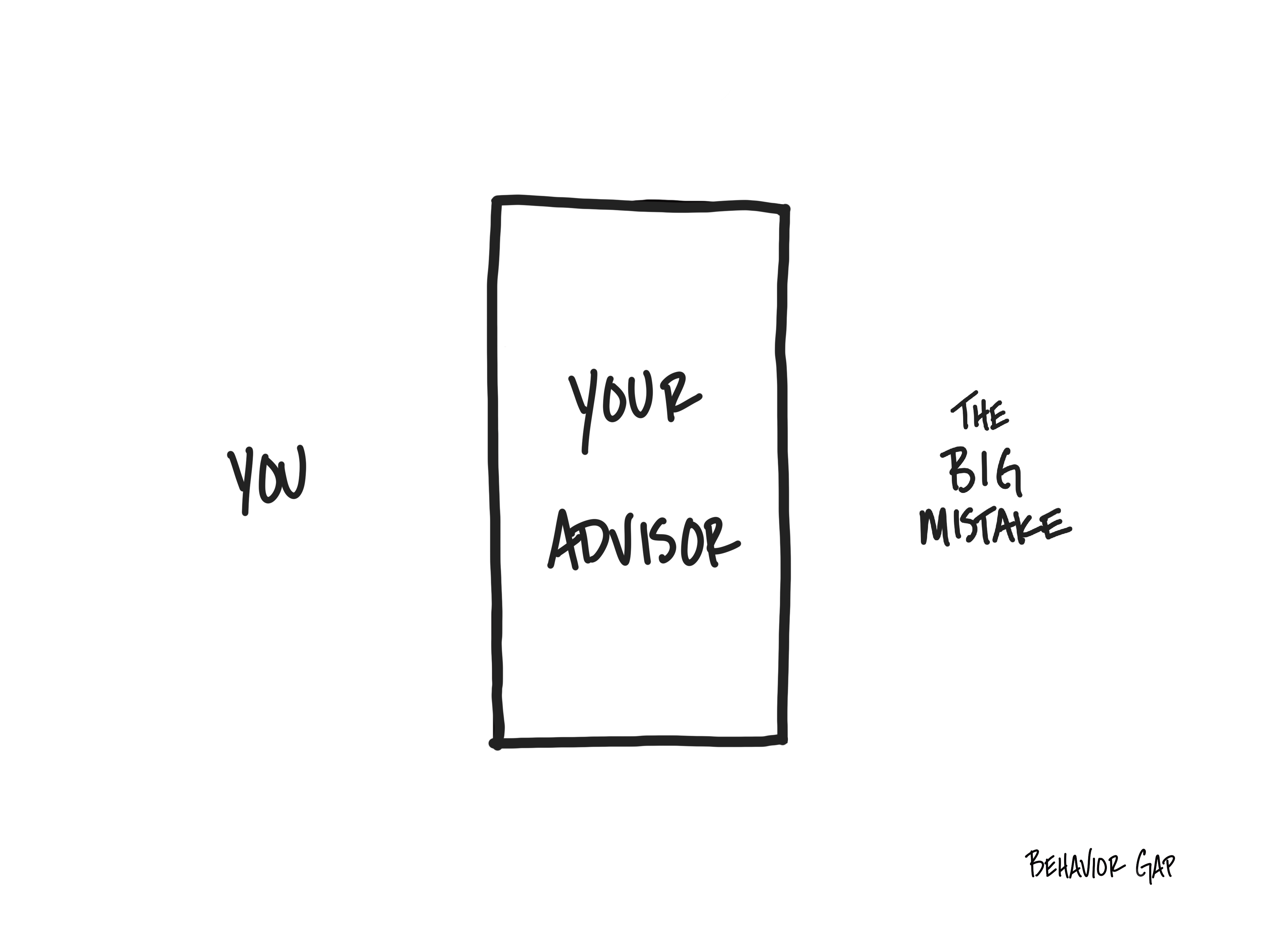
Behavioral finance examines why people make financial decisions and the psychological factors driving them. Combining economics, finance, and psychology, this field reveals how up to 188 cognitive biases impede sound decision-making. In investing, these biases can significantly harm financial outcomes.
Loss Aversion
Investors tend to overvalue avoiding losses compared to pursuing gains. The fear of loss is stronger than the desire for profit. This impulse leads to risk avoidance and stagnation. Without taking necessary risks, financial goals cannot be achieved.
The Effects of Overconfidence
Overconfidence involves overestimating one's abilities. A favorable self-view leads to overambitious decisions and an illusion of control. After successful streaks, investors attribute performance to skill rather than luck, setting unrealistic goals they can't achieve.
The Endowment Effect
People place more value on investments simply because they own them. This creates inertia, preventing investors from selling or reallocating when financial goals demand it—especially when timing is critical.
Regret Aversion in Behavioral Investing
Investors burned by bad decisions often play it too safe afterward. This conflicts with lofty financial goals. The result: delayed decision-making when quick action is needed, and a tendency to follow the herd rather than make independent choices.
Anchoring
Anchoring is clinging to a position, value, or principle even when it harms your finances. Real estate investors refuse to sell below purchase price despite market depreciation. Stock investors hold losing positions hoping for recovery that never comes. This sabotages progress toward financial goals. 
Hyperbolic Discounting
This bias surfaces when choosing between two favorable outcomes: one requiring short-term sacrifice for larger future gains, the other offering immediate but smaller rewards. A wise goal aligns with delayed gratification. But when immediate gains appear, investors often abandon the plan.
Employees struggling to save for retirement despite wanting financial security experience hyperbolic discounting. Immediate gratification overrides long-term needs.
Confirmation Bias
We seek information supporting our views and ignore contradicting facts. An investor with a strong market conviction searches for supporting evidence and dismisses opposing data. While the outcome may be favorable, the odds of failure are too high for sound investing. Objective decision-makers who consider all facts and follow wise investment principles avoid goal-dependent luck.
Hindsight Bias
We mistakenly believe we have predictive ability. Success streaks reinforce this false confidence. Hindsight bias causes impulsive risk-taking that damages finances and retirement security.
Availability Heuristic
Ideas that easily come to mind or are repeated often become "true" in our minds without critical consideration. Friends, social media, and television all influence this bias. We accept ideas readily without due diligence.
Self-Attribution Bias
Self-attribution bias means taking credit for wins but blaming external factors for losses. After negative outcomes, overconfident investors fail to analyze objectively and repeat mistakes. This impulsive risk-taking harms financial outcomes.
Recency Bias
When fuel prices drop, car sales rise. The misconception is that this state will persist. The same applies to investors: retail investors stampede into asset classes after recent positive returns. No one knows if the trend continues, but strong belief drives more investment. Coupled with loss fear, recency bias leads to impulse decisions that contradict financial goals.
Representativeness
This bias assumes that past patterns will continue. Good half-year earnings lead investors to assume next results will be similar. A good company is assumed to have good stocks. Critical analysis is bypassed for quick decisions that feel right. Paired with overconfidence, mistakes repeat before lessons stick.
Frame Dependence
Investors know their risk tolerance based on financial status and portfolio fit. But frame dependence creates a tendency to adjust risk tolerance based on market performance. Markets rise—tolerance increases. Markets fall—tolerance drops. This sells low and buys high, the opposite of sound investing.
Naive Diversification
When investors rush to diversify without knowledge, they invest in any option presented without homework. This creates false security. Without clear financial goals, naive diversification indicates no real strategy.
Disposition Effect Bias
Investors arbitrarily judge investments as good or bad, then cling to these judgments regardless of performance. They hold losing investments hoping for recovery while selling winners too early to offset losses. This creates net losses and high capital gains taxes.

Cognitive Dissonance
Cognitive dissonance involves a conflict between thought and outcome. When investments fall, investors convince themselves the decision was prudent and recovery will happen, rather than cutting losses. Poor returns prevent reaching financial goals.
Choice Paralysis
Too many investment options can overwhelm investors into paralysis. When good options exist but confusion reigns, no investment happens. Lack of action prevents progress toward financial goals.
Courtesy Bias
Courtesy bias manifests when investors surrender good ideas to group consensus. The need to avoid seeming contrary leads poor decision-making. When influenced by weak decision-makers, reaching goals becomes difficult.
What This Means to You
From college planning to retirement security, biases and heuristics can derail progress. These pitfalls can be overcome with expert guidance. Understanding how behavioral finance works is the first step toward protecting your wealth.
Discover our investment management approach and how we help clients stay disciplined when emotions run high.